

Trifari Jewels of India Collection | Exotic Statement Jewelry
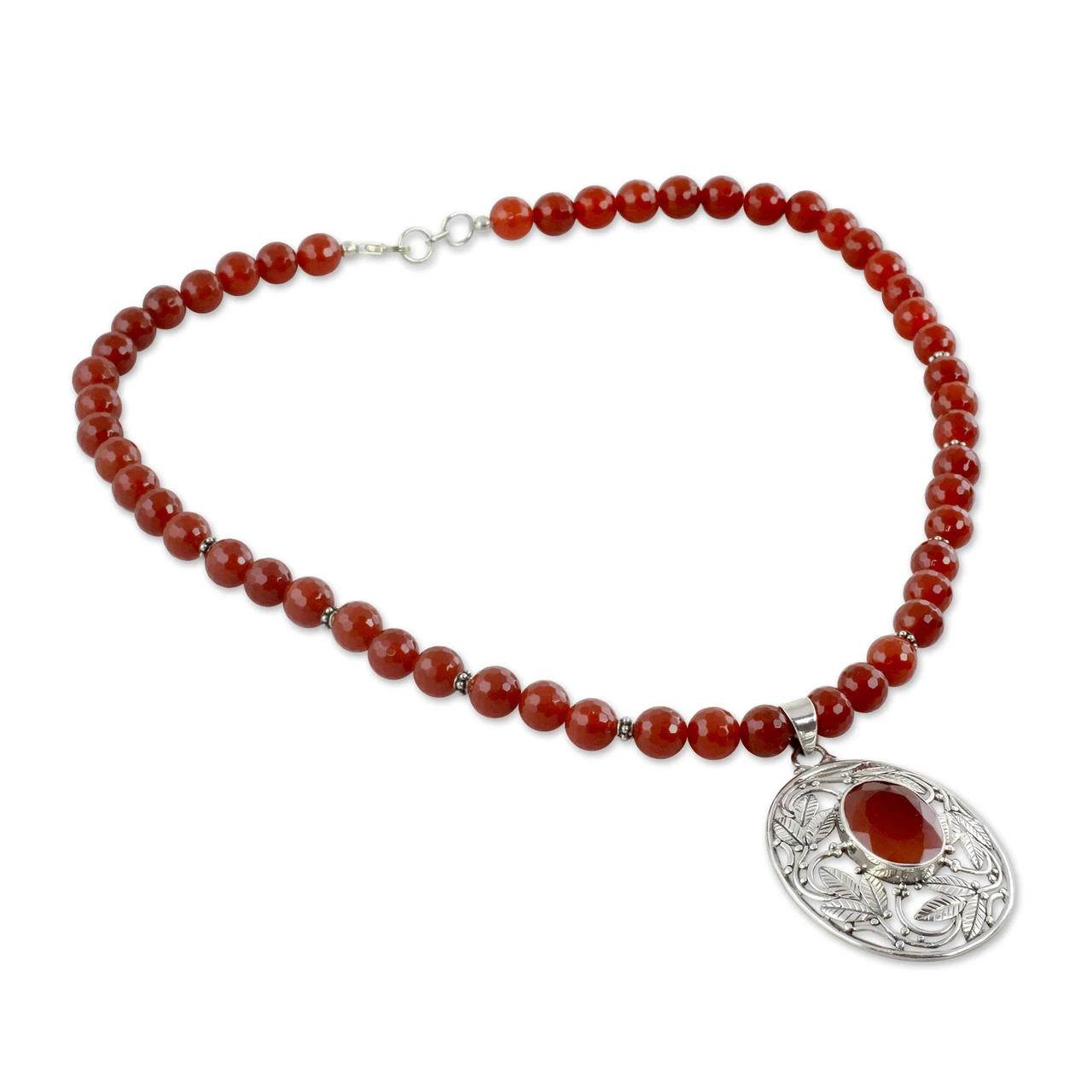
Our Jewels of India statement necklace brings the opulence of Mughal court jewelry to mid-century American design. This signature piece features hand-applied enamel work in deep emerald, ruby red, and sapphire blue, set against richly textured goldtone metalwork. Each cabochon gemstone is carefully mounted to catch the light from every angle.


Signature collection details
Design inspiration and historical context
The Trifari Jewels of India collection emerged during the late 1960s when Western fashion embraced exotic influences from Asia and the Middle East. Our designers drew direct inspiration from Mughal court jewelry, particularly the elaborate enameling techniques and bold use of color that characterized royal Indian adornments.
Metalwork and construction techniques
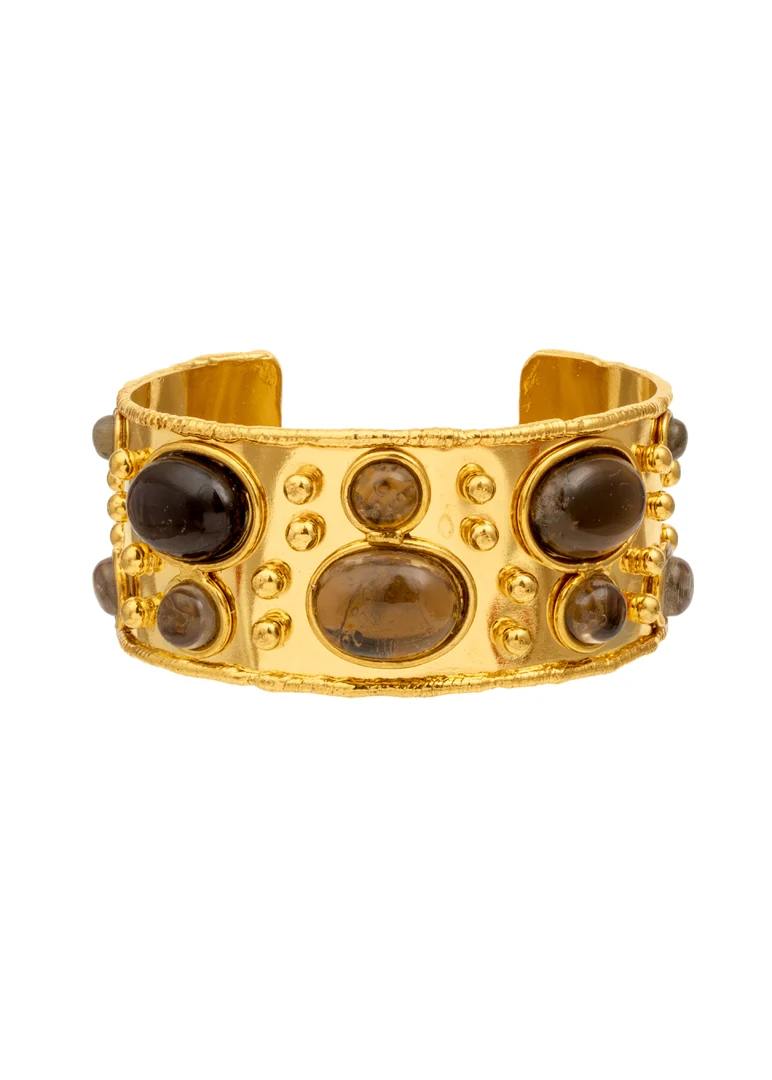
Our goldtone metal base for the Jewels of India pieces features deeply textured surfaces that catch and reflect light. We employed a multi-step process beginning with casting the base forms, then adding dimensional details through stamping and hand-finishing. The metal receives multiple layers of goldtone plating for durability and rich color.
Complete your Jewels of India collection




Jewels of India collection questions
Authentic pieces bear the Trifari hallmark on inconspicuous areas like clasp backs, cuff interiors, or earring clips. Examine the enamel work closely — original pieces show smooth, even application with crisp color transitions and no bleeding between sections. The goldtone metal should have a rich, warm finish rather than a brassy appearance. Cabochon stones in genuine pieces are glass with depth and translucency, not plastic. Weight also provides a clue, as authentic pieces feel substantial due to quality metal construction. If possible, compare your piece to documented examples in vintage jewelry references or consult with a reputable vintage jewelry dealer who specializes in signed costume jewelry from this era.
The Jewels of India collection debuted in the late 1960s, with primary production running through the early 1970s. This timing aligned with the broader fashion trend embracing exotic influences from Asian and Middle Eastern aesthetics. Original pieces from this production period are most sought after by collectors. Some elements of the design were occasionally revisited in later years, but those later productions typically differ in construction details and enamel quality from the original collection pieces.
Enamel repair on vintage jewelry is extremely difficult and rarely restores the piece to original appearance. The vitreous enamel process used in the original production requires specialized equipment and firing at specific temperatures. Modern enamel repair typically uses cold enamel or epoxy-based products that differ visibly from the original finish in both color and texture. Small chips in low-visibility areas may not significantly impact value, but attempting repair often causes more harm than leaving the piece in its current condition. For pieces with sentimental value, consult a jewelry conservator who specializes in vintage costume jewelry before attempting any restoration.
Store each piece individually in a soft cloth pouch or wrap it in acid-free tissue to prevent the enamel from scratching against other jewelry. Keep pieces in a cool, dry environment away from direct sunlight, which can fade the goldtone finish over time. Necklaces should lie flat rather than hang, as hanging puts stress on connection points and can cause the chain to stretch. The cuff bracelet should rest in its natural curved position rather than being forced flat. Avoid storing these pieces in bathrooms or other high-humidity areas, as moisture can affect both the metal plating and enamel adhesion. Original presentation boxes provide ideal storage when available, as they were designed specifically for these pieces.
While these pieces are durable enough for regular wear, their statement scale and intricate enamel work make them best suited for occasions where they can be the focal point of your outfit. The cuff bracelet is the most versatile piece for frequent wear, as cuffs generally experience less impact than necklaces or earrings. If you do wear these pieces regularly, put them on after applying cosmetics, perfume, and hairspray to minimize chemical exposure. Remove them before household tasks that might involve impact or chemical contact. With proper care during wearing and appropriate storage between uses, these pieces can maintain their beauty through decades of enjoyment.
These statement pieces shine brightest against simple, solid-color backgrounds that let the intricate enamel work and bold design take center stage. Black remains the most versatile choice, but jewel tones that echo the enamel colors — deep emerald, sapphire blue, or ruby red — create sophisticated monochromatic looks. The substantial scale works best with clean necklines like boatneck, scoop, or V-neck cuts that provide an uncluttered canvas. For formal occasions, pair with vintage-inspired cocktail dresses or evening gowns. During daytime, the cuff bracelet adds exotic flair to tailored blazers and silk blouses. Avoid busy prints or heavily embellished fabrics that compete visually with the jewelry’s detailed design.
The Jewels of India collection ranks among the most valuable Trifari lines for collectors, particularly pieces in excellent condition with intact enamel. Complete sets including necklace, bracelet, and earrings in original boxes command premium prices. The combination of exotic design inspiration, labor-intensive enamel work, and the collection’s limited production window creates strong collector demand. Individual pieces remain more accessible entry points while still representing significant examples of mid-century costume jewelry artistry. Condition heavily impacts value — pristine enamel and bright goldtone finish are essential for top market prices. As with all vintage jewelry, provenance and original packaging add to collector value.